

Define the business behind the catalogue.
We start with the range you sell and how an order moves through your business. Product variations, stock locations, delivery areas, customer groups and existing software affect the store design and development scope. A small catalogue with complex configurations can require more work than a larger, straightforward range.
We also establish who will maintain products, handle enquiries and resolve order exceptions. Those operational decisions help avoid a shop that looks complete but creates avoidable manual work for your team.
Make products easy to find and compare.
Categories and filters should reflect how customers choose, using information your catalogue can reliably supply. Product pages need consistent titles, descriptions, images and attributes. Size, colour, dimensions, availability and delivery information should be clear where they influence the purchase.
We review the quality of the available data before planning an import. Missing or inconsistent attributes can weaken search and filtering, so catalogue preparation is treated as a real part of the project rather than a last-minute upload.
- A defined category and attribute structure
- Consistent product variations and availability rules
- Clear product information on small screens
Design the journey from product to order confirmation.
The basket and checkout need to explain what the customer is buying, what it costs and what happens next. We review guest purchasing, address entry, delivery selection, discounts and relevant messages as part of one journey. Phone use deserves particular attention because long forms and unclear controls can make simple tasks difficult.
Testing follows agreed scenarios, including unavailable products and unsuccessful payments. A confirmed order, a pending payment and a failed transaction should be distinguishable for customers and administrators.
Select payment and delivery options before development.
Payment providers and delivery services have their own commercial, eligibility and technical requirements. We assess the options appropriate to your company, markets and selected platform, then include the agreed integrations in the scope. Provider accounts and approvals remain dependencies that should be started early.
The website also needs the delivery, returns and other customer information your business has approved. We implement the agreed content and rules; the applicable commercial and legal terms should come from your business and advisers.
Connect stock and pricing with clear ownership rules.
An integration begins by defining which system is responsible for each field. Products, prices, stock and orders do not necessarily move in the same direction or at the same frequency. We review the available interface, data formats and credentials before proposing the exchange.
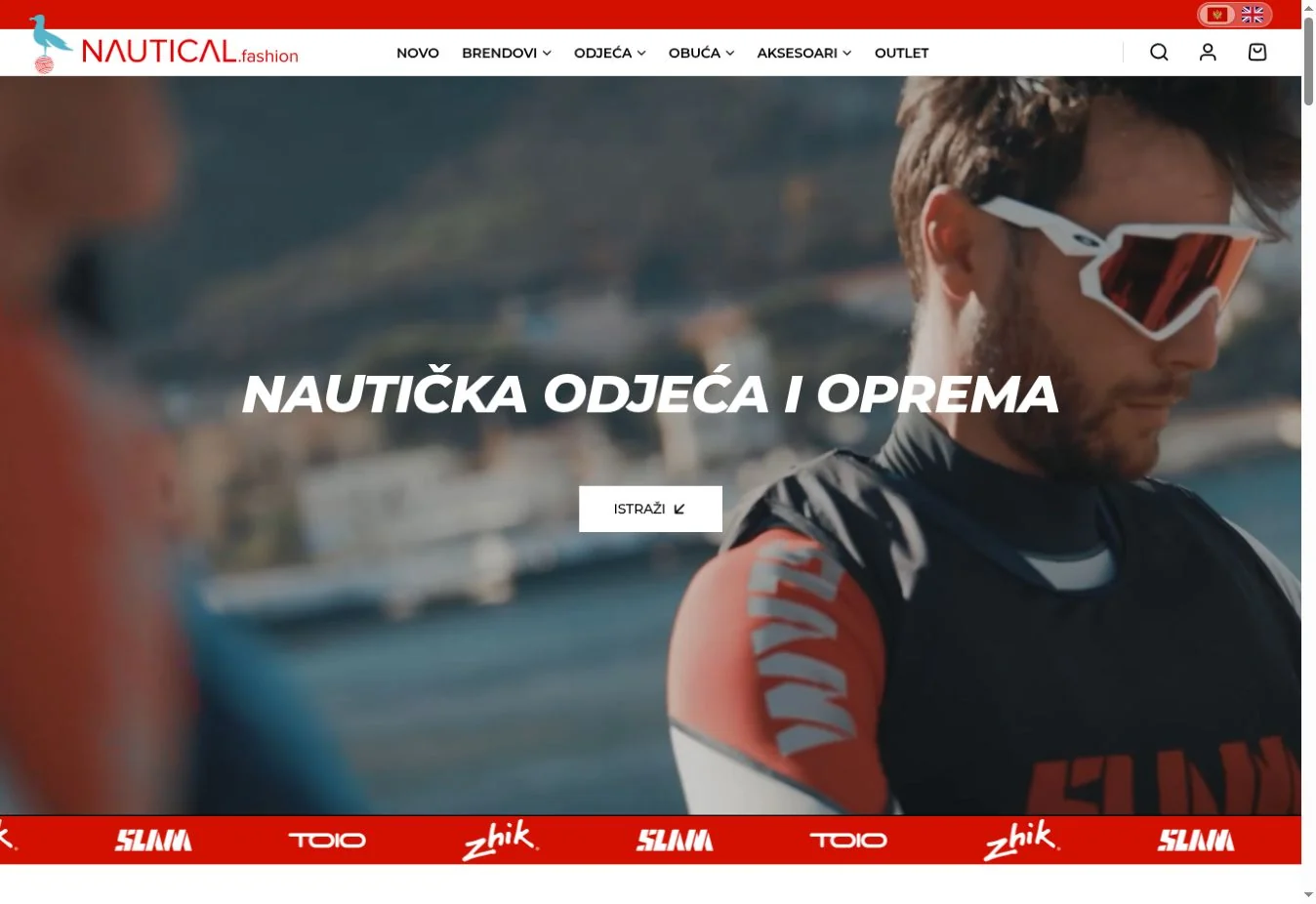
The design also covers missing products, duplicate updates, interrupted transfers and exceptions that require attention. Our Nautical Fashion work includes Datalab stock and price integration with WooCommerce and Monri payments, demonstrating the operational side of an online store.
Choose a platform your team can operate.
Platform selection depends on the catalogue, required integrations, content workflow and future plans. We have experience with WooCommerce and assess whether its structure and extensions suit the brief. A decision should include the ongoing costs and maintenance obligations, alongside the first build.
Administration needs are part of the discussion: adding products, changing prices, managing orders and restricting staff access. Handover should explain the agreed workflows, while unusual requirements are documented and tested before the store goes live.
Plan useful catalogue content and search foundations.
Category and product pages need meaningful content and consistent addresses. We consider page titles, headings, navigation and links between related information. Filters, discontinued products and language versions need deliberate handling so the catalogue remains understandable as it grows.
When replacing an existing shop, we review important URLs and identify the appropriate destinations for changed pages. Product media is prepared for the intended layouts, and technical checks cover the pages customers and search engines need to reach. Rankings cannot be guaranteed by the store build.
Treat migration as a separate workstream.
Moving an existing store can involve products, categories, images, customers, order history and integration settings. Not every source exports the same information, so we inspect sample data before confirming what can be transferred. Required fields, variations and relationships need validation after import.
A migration plan also defines how orders placed during the transition will be handled. A rehearsal, backup and agreed publication window help make the switch manageable. We confirm the final process against the actual systems involved.
Budget for launch and ongoing operations.
The estimate reflects catalogue condition, variations, design, payment and delivery requirements, integrations, migration and testing. It also identifies third-party services and any work your team will supply. The schedule depends on those inputs and provider approvals, not simply the number of product pages.
After launch, maintenance can include software updates, backups, checkout checks and investigation of integration issues. Content changes and new features can be scoped alongside that support, with clear expectations for availability and response arrangements.
Common questions
Can you improve our existing WooCommerce store?
Yes, subject to a review of the store, extensions and integrations. The right answer may be targeted improvements, a refreshed design or a larger rebuild. We explain the findings and agree the scope before making changes.
Can our store connect to an ERP or stock system?
We can assess an integration if the system provides a suitable interface or export. We review its documentation, agree data ownership and update rules, and identify exceptions before estimating the work. Access to representative data is useful.
Do you upload all products for us?
Product preparation and import can be included, but the required work depends on the quality and format of the data. We agree which products, images, descriptions and variations are included, and what your team needs to provide.
Can you guarantee that a new shop will increase sales?
No. Sales depend on the offer, demand, pricing, traffic and fulfilment as well as the website. We can improve agreed parts of the buying journey and make important actions measurable, without presenting a sales result as guaranteed.
Can the online shop support multiple languages?
Yes, when planned into the platform and content structure. Product information, navigation, checkout messages and customer communications need to be considered together. Languages, currencies, payment methods and delivery markets are separate requirements to agree.
What should be tested before launch?
The agreed tests should cover representative products, variations, discounts, delivery options, payment outcomes and order notifications. Where integrations exist, their data exchange and failure handling need checks too. We tailor the acceptance criteria to the actual shop.